Energy Efficiency

Energy efficiency in thermal fluid systems is often assumed rather than measured

In reality, many systems consume far more energy than necessary to deliver the heat required at the point of use.

TFS helps clients understand how efficiently their systems are actually operating, where energy is being lost, and what can be done to improve performance without compromising safety or reliability.

Measuring What Matters

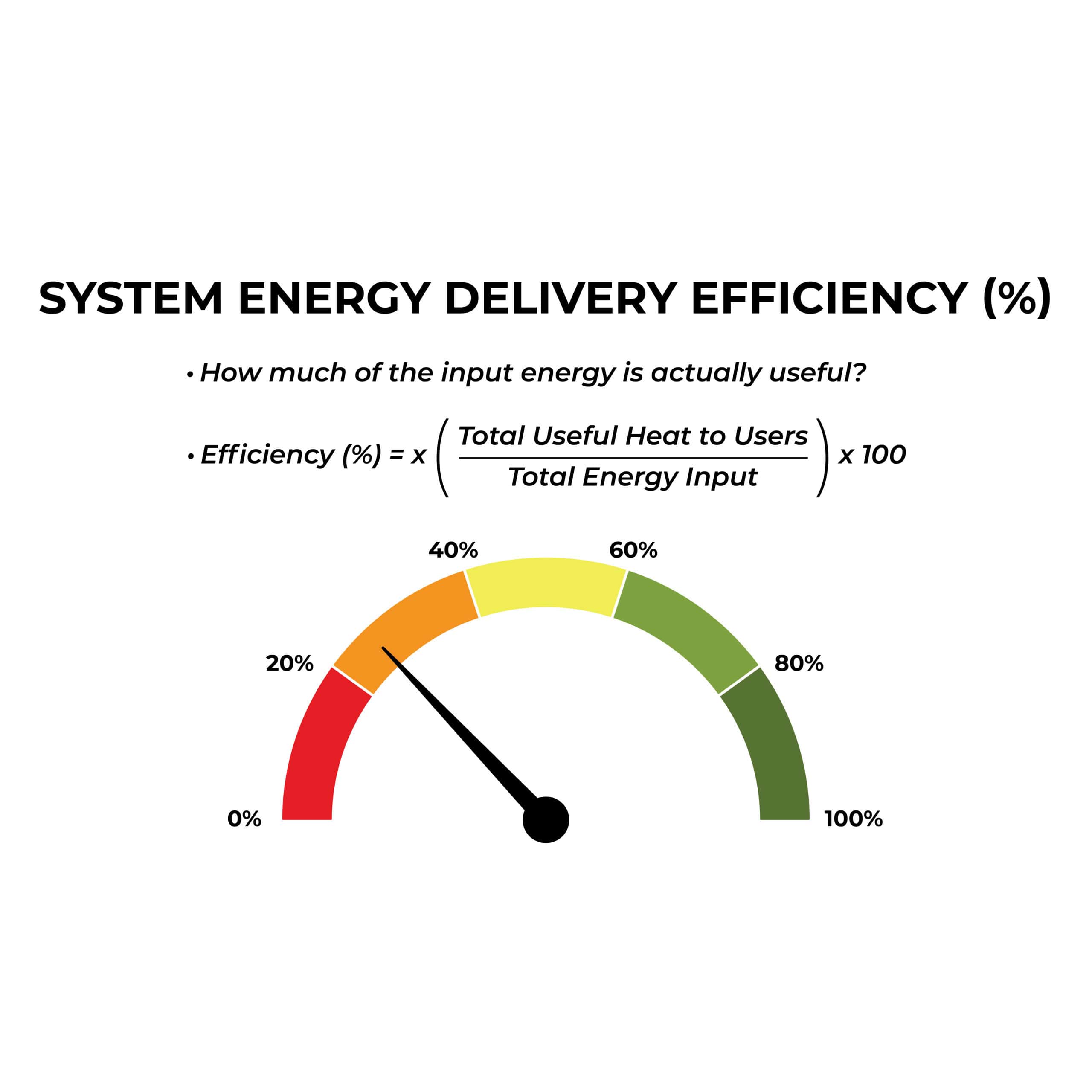
Using real-time system data, we assess how much of the energy entering the system is converted into useful heat delivered to the process.

System energy delivery efficiency is defined as the proportion of input energy that reaches the end user effectively. This provides a clear, objective view of performance rather than estimates or nameplate assumptions.

By comparing actual consumption against system capability, inefficiencies become visible and measurable.

Real-Time Insight with Active Guardian

Active Guardian provides continuous visibility of system efficiency and energy performance. It enables operators and engineers to understand:

  • Actual energy efficiency performance
  • True energy cost of heat delivery
  • Gaps between actual consumption and system capability
  • CO₂ emissions and Scope 1 and 2 impact
  • Opportunities to improve efficiency and meet sustainability goals

This data-driven approach allows informed decisions to be made based on how the system is operating today, not how it was designed to operate years ago.

From Data to Action

Energy efficiency is not improved by data alone. We use system insight to develop practical improvement plans that focus on achievable gains, whether through system optimisation, control changes, fluid condition management, or operational adjustments.

The result is reduced energy waste, lower operating costs, and improved system performance, all delivered in a controlled and measurable way.

Efficiency, Sustainability, and Safety Working Together

Improving energy efficiency reduces carbon impact, operating costs, and unnecessary system stress. When combined with active fluid management and system safety controls, efficiency improvements also support longer asset life and more stable operation.

This is not about pushing systems harder. It’s about making sure every kilowatt generated reaches its point of use first time.

Need expert support with your thermal fluid system?

Speak to our expert team to discuss how we support your sector and how we can help
 improve safety, performance, and reliability.