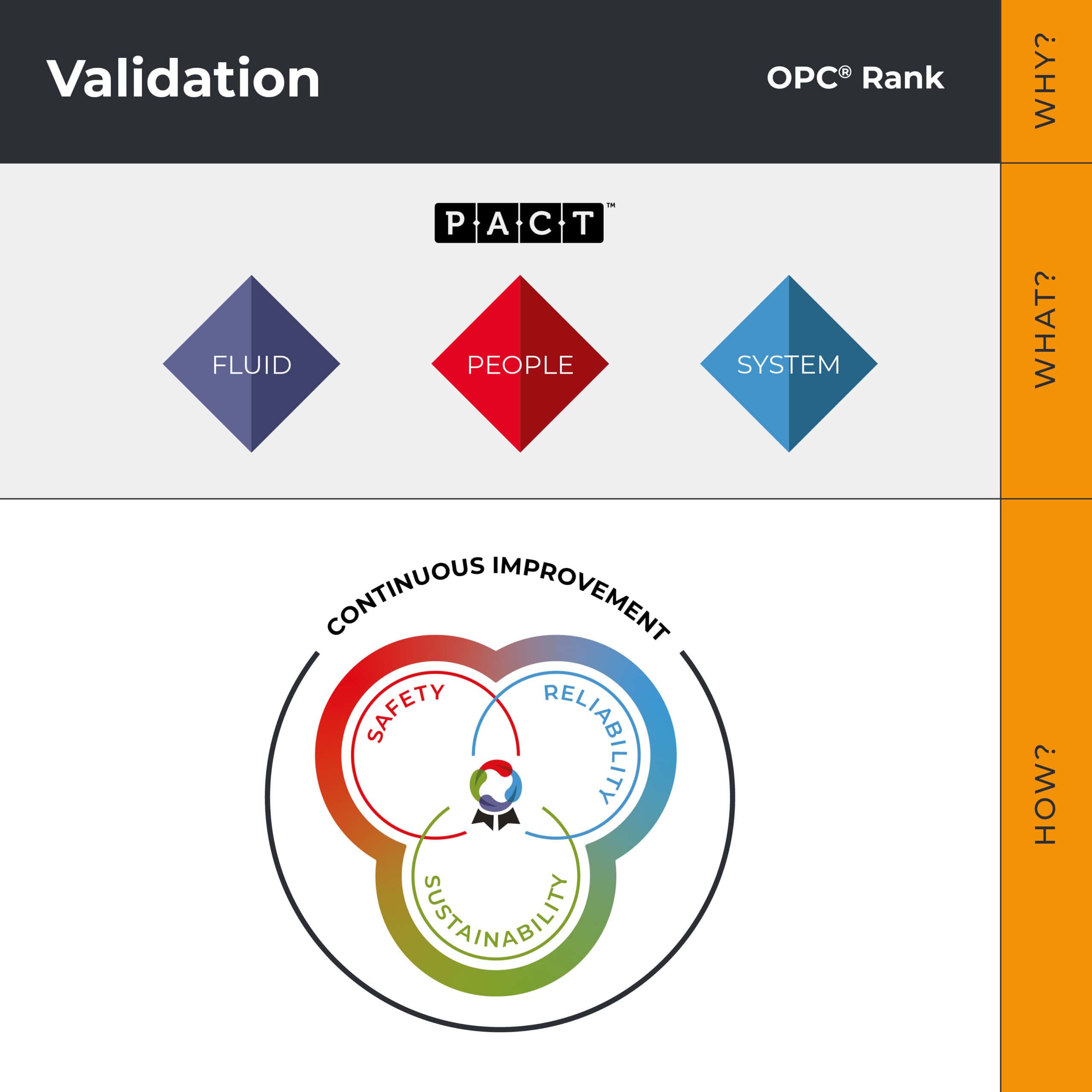

Fluid Validation

Many manufacturing processes are tightly controlled and validated to ensure consistent quality and output

Equipment, procedures, and operators are scrutinised in detail, yet one of the most influential factors in heat transfer performance is often assumed rather than validated.

TFS believes this needs to change. Thermal fluid performance must be validated in the same way as the process it supports, based on real operating conditions rather than generic specifications.

Why Fluid Validation Matters

Thermal fluids can vary significantly in performance even when they appear to be within basic specification limits. Changes in degradation products, contamination, pressure behaviour, or heat transfer characteristics can have a profound impact on process stability, efficiency, and safety.

By validating fluid performance at the point of use, we remove uncertainty. Operators can focus on process performance, consistency, and output, confident that the thermal fluid is performing as required.
OPC® Rank A True Performance Measure

The only ‘real’ measure for safe, reliable, cost effective performance.

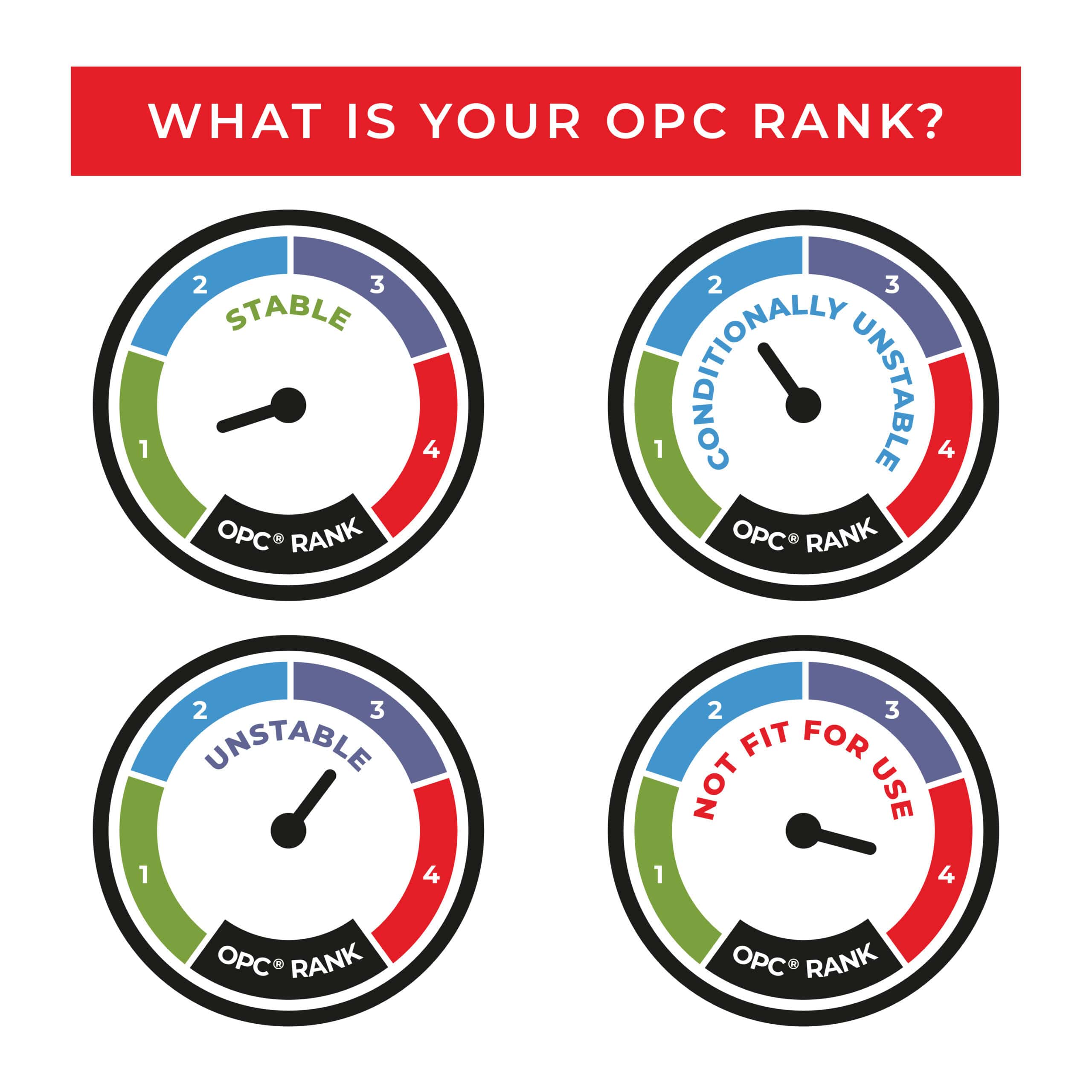
The Optimum Performance Ceiling (OPC®) is a measure of a thermal fluid as a safe, reliable and cost effective medium.

The OPC® is calculated to identify the maximum operating temperature at which any specific system thermal fluid can operate, under ‘normal turbulent flow conditions’, to deliver the heat energy, consistently, safely and reliably.

The OPC® value changes over time and is system, and application specific.


Validation Built Around Your Process

Our OPC® Suite of tests and analysis focuses on the temperature and pressure profile your process actually requires, not an industry average or data sheet value.

This approach delivers a true performance test rather than a pass or fail result. It confirms whether the fluid is fit for purpose today and identifies what is required to maintain performance tomorrow.

24/7 Monitoring and Auto-Sampling

Validation is not a one-off exercise. Thermal fluid condition changes over time, and static testing cannot capture this.

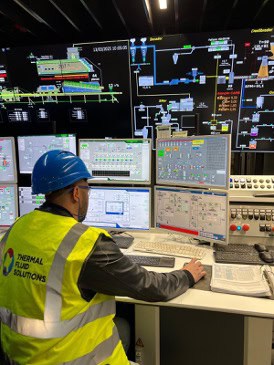
Using continuous monitoring and automated sampling, we track critical indicators that most affect heat transfer performance. Alerts highlight deviation before it becomes a problem, allowing corrective action without disruption.

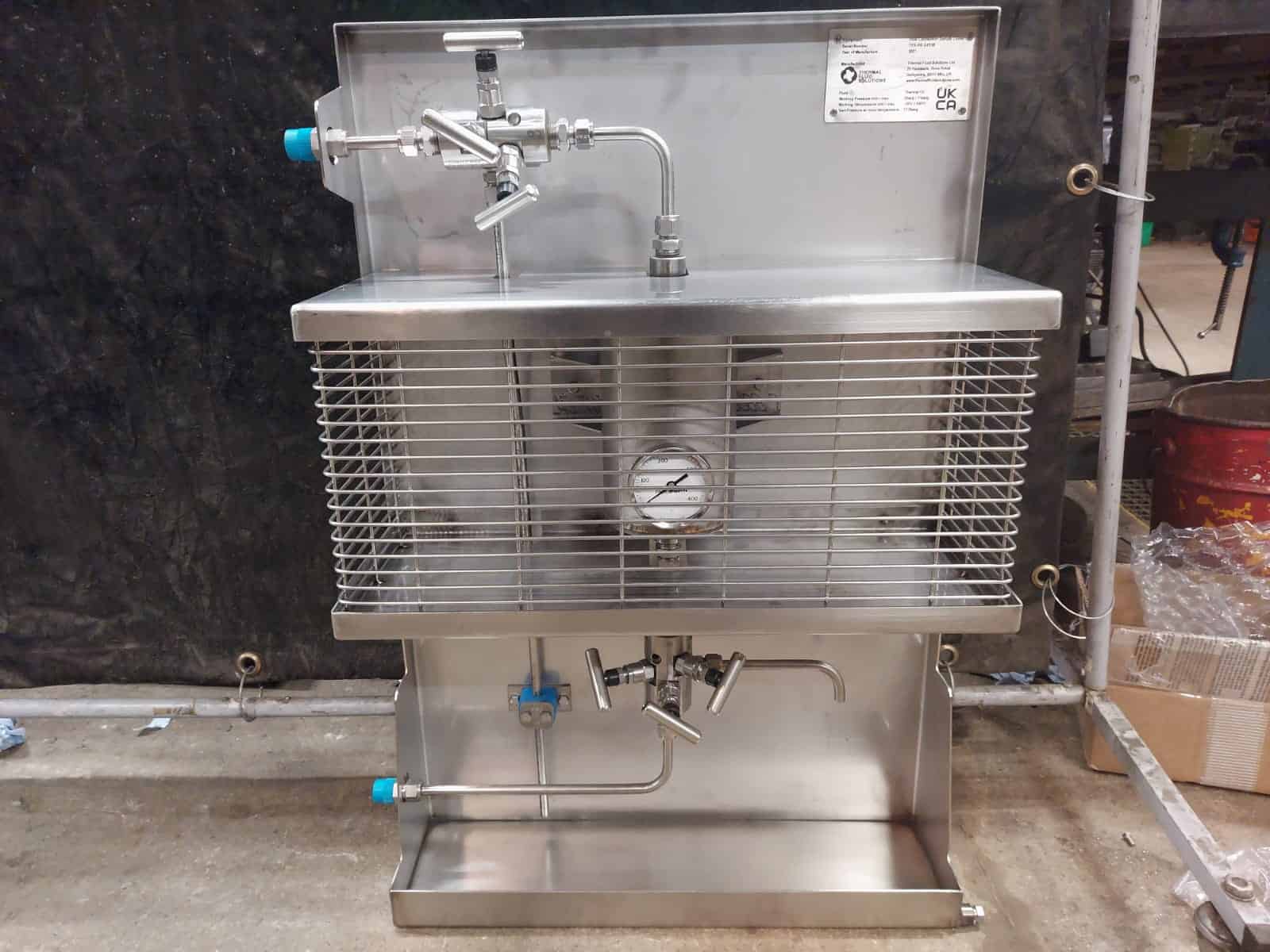
This is supported by technologies such as REACT auto-sampling and integrated safety sample stations, enabling consistent, repeatable validation without manual intervention.


From Validation to Confidence

With validated fluid performance, operators gain confidence that the thermal fluid is no longer a variable in process control. Performance becomes predictable, efficiency improves, and risk is reduced.

Fluid validation allows you to stop reacting to problems and start managing performance.

Need expert support with your thermal fluid system?

Speak to our expert team to discuss how we support your sector and how we can help
 improve safety, performance, and reliability.